
Essential Skills Every Dog Trainer Should Have

Becoming a successful dog trainer requires more than just a love for dogs. It demands a wide range of skills, knowledge, and the ability to connect with both dogs and their owners. In this blog post, we will explore the essential skills every dog trainer should have to excel in this rewarding profession.
Key Dog Training Skills
A dog trainer must possess a variety of skills to work effectively with dogs and their owners. One of the primary skills is understanding canine behavior. Trainers should be well-versed in how dogs communicate, their body language, and their social structures. This knowledge allows trainers to assess dogs' needs and tailor their training methods accordingly.
Another crucial skill is effective communication. A trainer must convey instructions clearly to both the dog and the owner. This involves demonstrating exercises, providing feedback, and encouraging positive reinforcement. Additionally, strong listening skills are essential to understand the owners' concerns and questions.
Image Placeholder

Moreover, patience is a virtue that every dog trainer should cultivate. Training a dog can take time, and not all dogs learn at the same pace. A patient trainer can remain calm during challenges and help motivate both the dog and the owner, ensuring a positive experience for everyone involved.
Teaching Techniques and Methods
Different dogs respond to various training techniques. Hence, a trainer should be adept at employing multiple teaching strategies. Positive reinforcement is one widely accepted method that encourages good behavior through rewards. Trainers use treats, praise, or playtime to motivate dogs, making the learning process enjoyable.
In contrast, some trainers may prefer the clicker training method, which involves using a clicker to signal the exact moment a dog performs the desired behavior. This precise timing helps dogs understand what is expected of them, leading to quicker learning.
Image Placeholder

Moreover, a trainer should be flexible and willing to adapt their methods to suit individual dogs and situations. For instance, some dogs might respond better to more assertive training methods, while others require a gentler approach. Understanding how to read the dog's reactions is vital for effective training.
How much is a dog handler course?
Investing in education is critical for trainers looking to enhance their skills. Dog handler courses vary in cost, depending on the depth of training and the institution. Typically, introductory courses can range from $300 to $800, while advanced or specialized training courses may cost up to $2,500 or more.
It’s essential to consider reputable training schools that offer comprehensive programs, including hands-on practice. Many programs also provide certifications upon completion, which can enhance a trainer's credibility.
Building Relationships with Dogs
Establishing trust and a strong bond with dogs is foundational to successful training. A dog trainer must demonstrate empathy and understanding. Spending quality time with dogs outside of training sessions can deepen this connection. Activities like playing, exercising, and simply being present can help a dog feel more comfortable and willing to learn.
Image Placeholder
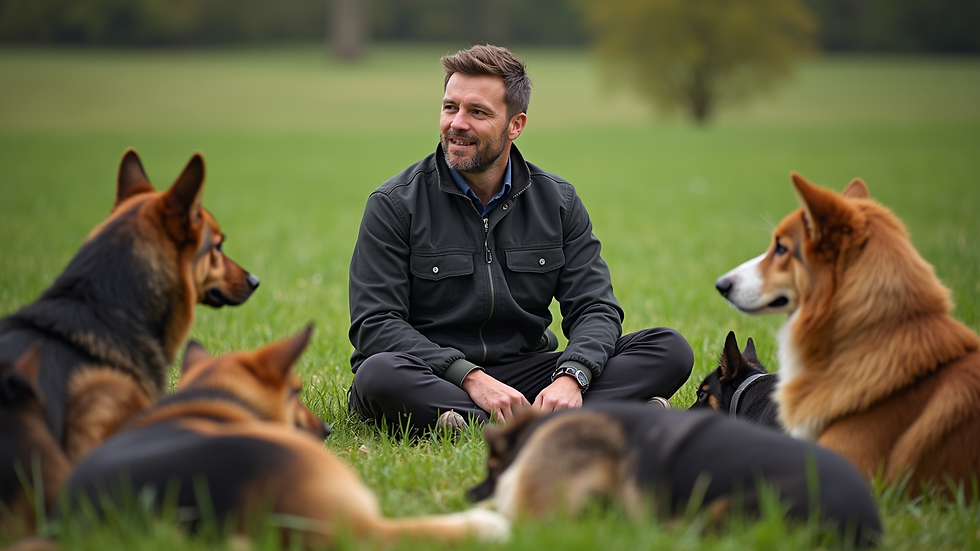
Moreover, recognizing the individual personality of each dog is crucial. Some dogs may be more energetic and spunky, while others may be shy and reserved. A trainer should adapt their approach based on these characteristics, allowing for a more personalized training experience.
Educating Dog Owners
While training the dog is critical, educating the owner is equally important. A dog trainer must be able to teach owners about canine behavior and proper handling techniques. This includes explaining why certain behaviors occur and how to address them effectively.
Trainers can also guide owners on maintaining consistent training methods at home. This helps reinforce the training learned during sessions and ensures long-term success. Educating owners about the importance of socialization, exercise, and mental stimulation is fundamental in fostering a well-rounded dog.
Furthermore, providing resources and information on common behavioral issues can empower owners to manage situations confidently. A well-informed owner will be more engaged in the training process and better equipped to support their dog's learning.
Continuous Learning
The field of dog training is ever-evolving, with new research and methods continuously emerging. Therefore, a successful dog trainer must be committed to lifelong learning. Attending workshops, seminars, and conferences is vital for staying current with the latest techniques and trends.
Moreover, networking with other professionals can provide valuable insights and opportunities for collaboration. Joining professional organizations can also enhance a trainer's credibility and provide access to a wealth of resources.
In addition, pursuing certifications from recognized organizations can further enhance a trainer's skills and reputation. Being a certified trainer often instills confidence in potential clients, making it easier to attract new business.
Final Thoughts on Essential Dog Training Skills
With the right skills, knowledge, and dedication, anyone can become a successful dog trainer. By developing a deep understanding of canine behavior, mastering teaching techniques, and building meaningful relationships with dogs and their owners, trainers can create a positive impact in the lives of both.
Investing in continuous education is vital for growth and staying relevant in this dynamic field. Those aspiring to become professional trainers should explore various courses, including options for becoming a dog handler. Embrace the journey, stay curious, and you'll pave the way for a fulfilling career in dog training.


Comments